How to Choose the Best Prefab Construction Solutions in 2026?
In the evolving landscape of modern architecture, choosing the best prefab construction solutions is becoming increasingly important. Prefab construction refers to the method of prefabricating building components off-site, which can streamline the overall building process. As we approach 2026, several factors will influence your decision, including sustainability and cost-effectiveness.
The advantages of prefab construction are significant. These solutions often lead to reduced waste and shorter construction times. However, potential drawbacks exist. For instance, not all prefab options offer the same level of customizability. Some may perceive prefab construction as less robust than traditional methods. It is essential to weigh these perspectives when selecting the right solution for your needs.
Research on various prefab construction companies will deepen your understanding. Look for firms with strong industry experience and positive testimonials. Don't overlook the importance of proper site assessment and planning as well. Engage with professionals who can help navigate this complex field. Ultimately, prioritizing informed choices will ensure a successful outcome in your prefab construction venture.
Understanding Prefab Construction: Key Concepts and Benefits
Prefab construction is gaining traction in modern architecture. It offers efficiency and sustainability, answering the growing demand for faster builds. A recent study by the Modular Building Institute reports a 70% increase in prefab construction adoption since 2020. This shift reflects a broader industry trend towards streamlined processes.
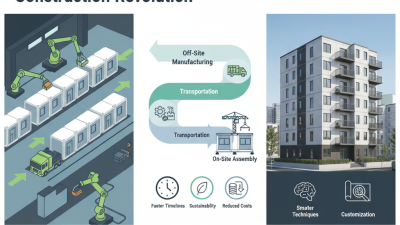
Understanding the key concepts of prefab construction is essential. Modular components are built off-site, reducing construction time significantly. This method not only minimizes waste but also enhances quality control. According to industry data, projects using prefab techniques can be completed 30% faster than traditional ones. Yet, some viewers might be concerned about design limitations. This is a valid point; customizing prefab structures can sometimes be challenging.
The benefits of prefab solutions extend beyond just speed. They often align with sustainable practices, showcasing reduced carbon footprints. However, misjudgments in site preparation can lead to delays. Hence, thorough planning is necessary. While prefab construction is not a one-size-fits-all solution, it has proven effective for various projects, from residential to commercial. Authentic engagement with the prefab process can ensure that the benefits are fully realized.
Analyzing Current Trends in Prefab Construction Solutions for 2026
The prefab construction industry is evolving rapidly, especially as we approach 2026. According to a recent report from the Freedonia Group, the prefab or modular building market is expected to reach $130 billion globally by 2026. This remarkable growth reflects increasing interest in sustainable building solutions. Yet, with this growth comes the challenge of evaluating which prefab construction solutions best suit specific project needs.
Current trends emphasize design flexibility and technological integration. Advances in 3D printing and digital modeling are pushing boundaries. A report by Allied Market Research notes that the use of Building Information Modeling (BIM) will increase by 35% in the next few years. This allows for precise planning and potentially fewer on-site errors. However, not all companies are keeping pace with these innovations. An analysis of various firms found that around 40% still rely on traditional methods, hindering their efficiency.
As the demand for eco-friendly alternatives rises, prefab solutions are becoming more energy-efficient. The U.S. Green Building Council reported that green building materials will dominate 31% of the market by 2026. However, one must consider the long-term sustainability of materials used. Not all prefabricated elements are created equal. Some may lack the durability needed for climate extremes. Evaluating life-cycle costs remains essential in making informed decisions.
Factors to Consider When Choosing Prefab Construction Options
When choosing prefab construction options in 2026, several crucial factors must be considered. One key aspect is the
environmental impact. According to a 2022 report by the World Green Building Council, about
40% of global carbon emissions come from buildings. Opting for sustainable materials can significantly
reduce this footprint. Look for products with certifications like LEED or BREEAM, which ensure compliance with eco-friendly standards.
Cost efficiency is another major factor. A study by McKinsey found that modular construction can reduce costs by 10-20%
compared to traditional building methods. However, it’s essential to consider long-term savings versus initial investment.
Short-term savings might look attractive, but hidden costs can arise. Analyze potential maintenance expenses and energy efficiency to
make an informed decision.
Durability is also vital. Many prefab structures face criticism for lower quality. Ensuring the materials meet
industry standards can mitigate this concern. A 2023 survey by the National Institute of Building Sciences showed that 30% of prefab buyers
regretted their material choices soon after construction. This statistic highlights the necessity for thorough research and expert consultation
before making selections. Always request detailed specifications and warranties to ensure quality work.
Evaluating Quality and Sustainability in Prefab Materials
When selecting prefab construction solutions, evaluating the quality and sustainability of materials is vital. High-quality materials enhance durability and energy efficiency. Look for certifications that indicate environmental responsibility. This ensures the products meet rigorous safety and sustainability standards.
Consider the lifecycle of the materials. Are they sourced responsibly? Sustainable materials often have a lower carbon footprint. Recycling options are also essential. Think about whether these materials can be repurposed or recycled at the end of their lifespan.
Tip: Always ask for detailed data on material sourcing and production. Look for third-party assessments to validate claims about sustainability. Don't overlook aesthetic qualities, as they also play a critical role in overall satisfaction.
Investigating a company’s experience is key. Ask for examples of past projects. This can provide insights into their reliability and the quality of their prefab solutions. Keep in mind that not all reputable suppliers are the same. Explore multiple options to find the best fit for your needs.
How to Choose the Best Prefab Construction Solutions in 2026?
| Material |
Quality Rating |
Sustainability Score |
Cost per Sq Ft |
Durability (Years) |
| Wood |
4.5 |
85 |
$120 |
30 |
| Steel |
4.7 |
90 |
$150 |
50 |
| Concrete |
4.3 |
80 |
$100 |
40 |
| Bamboo |
4.8 |
95 |
$110 |
25 |
| Recycled Plastics |
4.2 |
75 |
$130 |
20 |
Comparing Cost Efficiency and Time Savings in Prefab Projects
Prefab construction solutions offer notable advantages in cost efficiency and time savings. When considering a prefab project in 2026, understanding these factors is crucial.
Prefabricated buildings generally reduce labor costs and project duration. Traditional construction can take months, whereas prefab units can be assembled in weeks. This accelerated timeline can lead to quicker returns.
Tips: Prioritize suppliers with a strong track record. Research their project history and client reviews. A reliable partner influences your cost and efficiency. Evaluate multiple options, as prices can vary significantly.
Time savings are vital, but measuring potential delays is essential. Unexpected weather changes or supply chain issues can disrupt schedules. Clear communication with suppliers helps. Set benchmarks and monitor progress regularly. This oversight can mitigate unforeseen challenges.
Tips: Always have a contingency plan. Allocate additional time for unanticipated site issues. Adaptability is key in construction. Keep stakeholders informed throughout the project, fostering teamwork and trust. A well-informed team can navigate challenges more effectively.