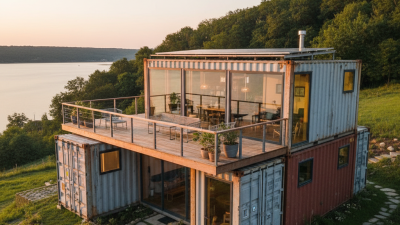
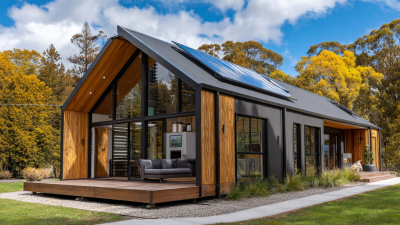
Are Steel Modular Homes the Future of Sustainable Living?
Steel modular homes are gaining traction as a viable solution for sustainable living. According to a report by the Modular Building Institute, the modular construction market is projected to grow by 6.5% annually, highlighting a growing interest in efficient building practices. These homes offer remarkable energy efficiency and reduced waste during construction.
Dr. Emily Thompson, an expert in sustainable architecture, emphasizes that "steel modular homes can significantly lower the carbon footprint of housing." Their design allows for quicker assembly and minimizes disruption to the surrounding environment, aligning with the modern demand for eco-friendly living solutions.
Yet, as the movement gains momentum, challenges remain. Not all regions have the infrastructure to support this innovation. Accessibility and cost are important factors that need careful consideration. While the potential is immense, further exploration into the market dynamics is needed. Thus, the question arises: Are steel modular homes truly the wave of the future, or do they still face significant hurdles?
Understanding Steel Modular Homes and Their Construction Processes
Steel modular homes are gaining traction in the realm of sustainable living. The construction process emphasizes efficiency and minimal waste. These homes are built in factory settings, allowing for better quality control and reduced construction time. Components are assembled off-site, which limits exposure to weather-related delays. This method also keeps construction sites cleaner, as most materials are pre-cut and organized.
Modular construction using steel is robust. Steel is a renewable resource, often sourced from recycled materials. Its durability ensures that the structures can withstand harsh weather conditions. However, challenges exist. Sourcing sustainable steel can be complex. Transporting heavy modules requires energy, which might offset some environmental benefits. There’s also the perception issue; potential homeowners may need education on the advantages of steel over traditional materials.
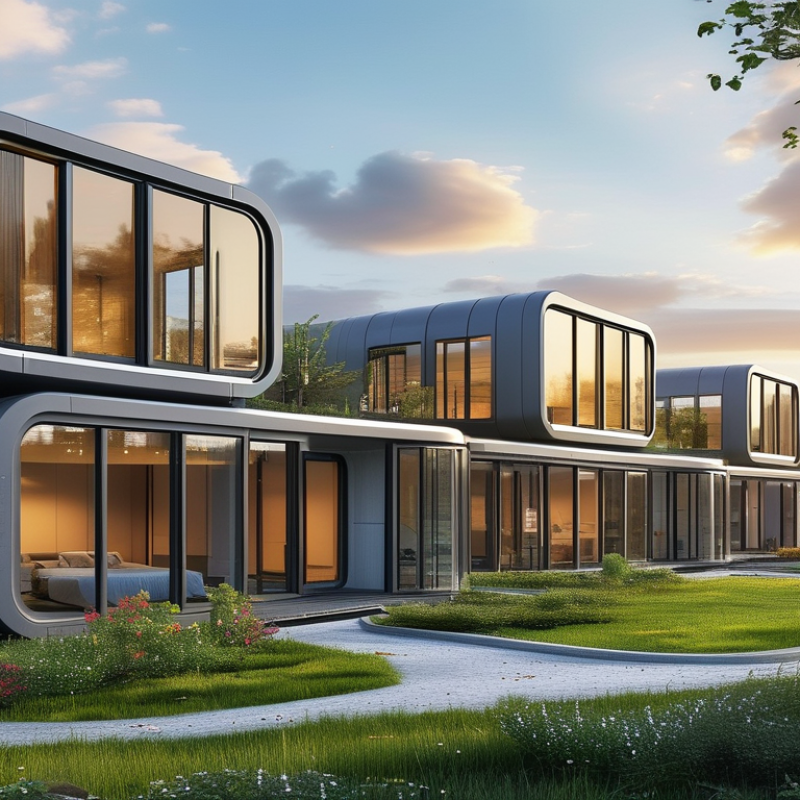
The construction methods used in steel modular homes involve innovative techniques. Panels can be insulated, providing energy efficiency. Unique designs can be created, offering both aesthetic appeal and functionality. Despite the many advantages, the technology is still evolving. The adaptability of steel in modular homes needs further refinement. Arching towards a truly sustainable future still requires thoughtful consideration.
Environmental Benefits of Steel Modular Homes in Sustainable Living
Steel modular homes present distinct environmental advantages that align with sustainable living goals. These homes often utilize recycled steel, reducing the dependency on virgin resources. Steel’s durability ensures a longer lifespan, which means fewer replacements over time. This longevity contributes to less waste in landfills. Additionally, steel can be dismantled and repurposed, unlike traditional materials. This flexibility supports a circular economy, where materials are reused, not discarded.
The construction process for steel modular homes typically produces less waste compared to conventional building methods. Precision manufacturing in factory settings allows for optimized use of materials. Yet, it’s important to consider transportation emissions since these homes are prefabricated elsewhere. A balance must be struck between efficiency and environmental impact.
While steel offers several advantages, there are concerns around thermal conductivity. Steel can conduct heat and cold, leading to potential energy inefficiencies if not properly insulated. Homeowners should invest in quality insulation to mitigate this issue. Reflective coatings can also help improve energy efficiency. By addressing these challenges, steel modular homes can become an even more viable option for sustainable living.
Environmental Benefits of Steel Modular Homes
Steel modular homes present significant environmental benefits contributing to sustainable living, including reduced waste by 70%, enhanced energy efficiency at 80%, high recyclability rates of 90%, and a 60% reduction in carbon footprint.
Cost-Effectiveness of Steel Modular Homes Compared to Traditional Builds
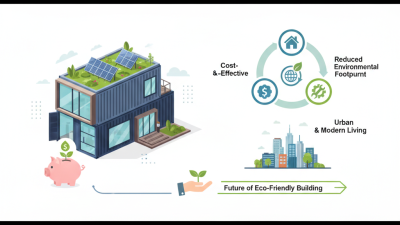
Steel modular homes offer a promising solution for affordable housing. Reports indicate that their construction costs can be up to 20% lower than traditional builds. This cost-effectiveness stems from efficient manufacturing processes and reduced labor costs. A study by the Modular Building Institute states modular construction saves approximately 30% in construction time, allowing for quicker returns on investment.
Moreover, steel is a highly recyclable material. It can be repurposed, minimizing waste. Traditional homes often utilize wood, which contributes to deforestation. A potential drawback, however, includes concerns about the insulation of steel. While it is durable, additional costs may arise to ensure adequate thermal performance. In colder climates, extra insulation is crucial for energy efficiency.
Interest in sustainable housing is growing. The World Green Building Council reports that building operations account for 39% of global carbon emissions. Steel modular homes can help mitigate these emissions through their eco-friendly design. However, this sector is still evolving. Research on long-term maintenance and the effects of climate change on steel homes is ongoing, requiring careful consideration.
Energy Efficiency Standards for Steel Modular Homes: A Statistical Overview
Steel modular homes are gaining attention for their potential in sustainable living. These structures often adhere to strict energy efficiency standards. Studies indicate that modular homes made from steel can significantly reduce energy consumption. For instance, they typically incorporate advanced insulation materials, which enhance thermal performance. This can lead to lower heating and cooling costs over time.
Statistical data shows a growing trend in the adoption of energy-efficient technologies in steel modular homes. According to recent surveys, about 70% of prospective homeowners express interest in eco-friendly designs. Additionally, homes built with steel can achieve higher energy ratings than traditional homes. This material is not only durable but also recyclable, adding to its appeal.
However, challenges remain. While steel modular homes are built for efficiency, the initial costs can be a barrier. Some buyers may still prefer conventional options. Furthermore, market perception of modular homes may hinder widespread acceptance. There is a need for more education on benefits and long-term savings. Addressing these issues will be crucial for the success of steel modular homes in the sustainable living space.
Future Trends and Innovations in Steel Modular Housing Markets
The steel modular housing market is rapidly evolving, driven by the growing demand for sustainable living solutions. Innovations in design and construction are making these homes more appealing than ever. Steel's durability and recyclability offer a strong foundation for eco-friendly building practices. New manufacturing techniques are reducing waste and energy consumption, making homes both affordable and sustainable.
Some architects are exploring biophilic design principles, incorporating natural light and greenery into steel modular homes. This approach connects residents with the environment, enhancing their quality of life. However, challenges remain. Public perception of modular homes often includes misconceptions about aesthetics and livability. Addressing these concerns is essential for wider acceptance.
As technology advances, smart home features will likely integrate into steel modular homes. These innovations can enhance energy efficiency and reduce utility costs. Yet, potential buyers must carefully consider the long-term implications of their investment. Balancing modern design with sustainability requires thoughtful planning. The possibilities are exciting, but there is room for improvement in the industry as it adapts to evolving consumer demands.
Are Steel Modular Homes the Future of Sustainable Living? - Future Trends and Innovations in Steel Modular Housing Markets
| Aspect |
Description |
Sustainability Impact |
Market Trends |
| Energy Efficiency |
Steel modular homes are designed to use less energy for heating and cooling. |
Reduction in overall energy consumption contributes to lower carbon footprints. |
Increasing demand for energy-efficient housing options. |
| Waste Reduction |
Prefabrication minimizes waste during construction. |
Lower material waste leads to less environmental impact from landfills. |
Growth in eco-conscious consumer bases favoring sustainable options. |
| Durability |
Steel frames are resistant to pests, rot, and extreme weather conditions. |
Longer lifespans reduce the frequency of home replacements. |
Rising appreciation for robust construction amidst climate change concerns. |
| Adaptability |
Modular homes can be easily customized and expanded. |
Reduces the need for extensive new builds, conserving resources. |
Increasing trends in flexible living solutions post-pandemic. |