10 Tips for Buying Steel Modular Homes Worldwide?
Buying steel modular homes worldwide can feel like choosing a house from a catalog, but the real decision begins beyond the showroom. A polished factory video does not reveal every transport risk, site condition, or regional requirement. Buyers need practical evidence, not attractive promises. Factory certifications, completed projects, inspection records, and clear warranty terms deserve careful attention. Ask who designed the structure, who inspected the welds, and who repairs defects after delivery.
Steel modular homes may offer speed, durability, and predictable manufacturing. However, those advantages depend on climate, engineering, and installation quality. A coastal home may need stronger corrosion protection, while a cold region requires verified insulation and airtightness. Check the roof system, drainage details, fire performance, and connection drawings. Small gaps around windows can become expensive problems. Freight costs can also change after a supplier measures the final route.
International purchases involve more than the advertised factory price. Buyers should compare packaging, shipping, customs handling, foundation work, utilities, local labor, and taxes. Confirm whether the supplier supports local approvals and provides documents in an accepted format. Independent engineers can review structural calculations before payment milestones begin. That step may feel slow, yet it can prevent painful surprises.
No checklist is flawless. I would still question optimistic delivery dates and unusually low quotations. A reliable supplier welcomes difficult questions and explains limitations plainly. The following ten tips examine supplier credibility, design suitability, budgeting, logistics, compliance, installation, and long-term ownership. They are not a substitute for local professional advice, but they can make a complex purchase more disciplined and transparent.
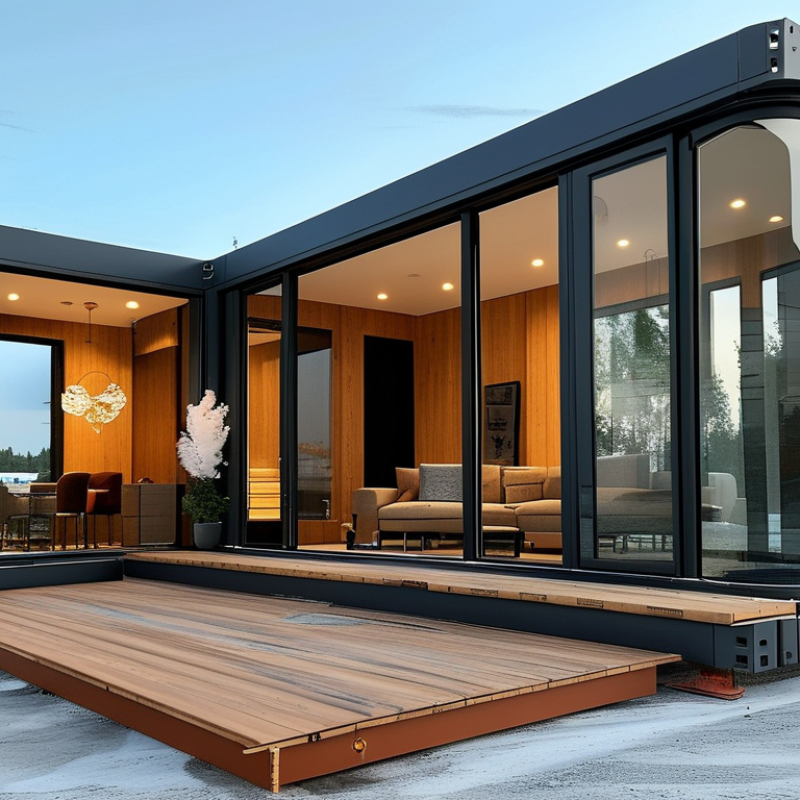
Define Your Housing Needs, Budget, and Preferred Modular Home Type
Before comparing steel modular homes, define daily life in measurable terms. Count bedrooms, bathrooms, storage areas, parking needs, and future accessibility requirements. A family working from home may need acoustic separation, not merely extra floor area. Record the local climate too. Coastal sites require stronger corrosion protection, while cold regions need tested insulation and vapor control. Your first list will probably be incomplete.
Set a total budget, not only a factory price. Include land preparation, foundations, transport, crane lifting, utility connections, permits, taxes, and interior finishes. McKinsey & Company’s 2019 modular-construction report estimates that modular methods can reduce construction schedules by 20–50% and costs by up to 20% in suitable projects. Those figures are not guarantees. Remote delivery, difficult roads, and local engineering changes can remove the savings quickly. Ask for an itemized quotation and a contingency reserve of at least 10–15%.
Choose the home type around ownership goals. A permanent steel-frame residence suits long-term use, while a relocatable unit may fit temporary housing needs. Compare single-story and multi-story layouts, fixed modules and expandable designs, and standard versus customized floor plans. Check structural calculations, fire performance, energy ratings, warranty terms, and maintenance access. The Modular Building Institute reports that off-site production improves quality control, but site work still strongly affects final performance. Do not ignore the ground beneath the home.
10 Tips for Buying Steel Modular Homes Worldwide
Define your housing needs, budget, and preferred modular home type by comparing the footprint of common ISO-based steel modules.
The chart uses nominal external dimensions from common ISO freight-container formats: approximately 6.058 m × 2.438 m for a 20-foot module and 12.192 m × 2.438 m for a 40-foot module. Two-module layouts double the footprint. Actual usable interior space will be smaller after insulation, structural walls, services, and local building-code requirements are considered.
Research Local Building Codes, Permits, and Site Requirements
Buying a steel modular home begins with local rules, not a floor plan. Building codes differ by country, region, and even municipality. Check zoning, setbacks, height limits, fire separation, insulation, ventilation, and accessibility standards. The International Code Council’s 2024 code framework highlights the need to coordinate structural, fire, energy, and safety requirements. A stamped design may still require local adaptation.
Tip: Ask the planning office for a written checklist.
Permits can involve several departments. Confirm approval for the home, foundation, utilities, septic systems, driveway, transport route, and crane placement. Site conditions matter too. Engineers should review soil bearing capacity, drainage, flood exposure, wind speed, snow load, and seismic risk. Coastal sites need a serious corrosion plan. Small oversights become expensive quickly. McKinsey Global Institute reported in 2019 that modular construction may reduce schedules by 20–50%, but permitting delays can erase that advantage.
Tip: Survey the site before ordering modules.
Energy compliance deserves equal attention. The International Energy Agency reported in its 2023 Buildings report that buildings consume about 30% of global final energy and create roughly 26% of energy-related emissions. Ask how the steel frame, insulation, windows, and heating system meet local performance targets. Transport dimensions may also trigger escorts or road restrictions. I would not rely on generic drawings; local review is essential, and sometimes the first design needs revision.
Evaluate Manufacturers, Materials, Certifications, and Construction Quality
Buying a steel modular home begins with the manufacturer, not the floor plan.
Request factory audit records, completed project references, and a clear defect-resolution process. McKinsey’s report, Modular Construction: From Projects to Products, found that modular methods can reduce construction schedules by 20–50% when production is standardized. That advantage disappears when drawings, transport, or site foundations remain poorly coordinated.
Inspect the material trail.
Ask for steel grades, mill test certificates, corrosion-protection details, and weld inspection records. ISO 9001 supports quality-management control, but it does not prove every building is well made. Look for independently verified procedures, qualified welders, dimensional checks, and documented inspections. The World Steel Association reported global crude-steel production of about 1.89 billion tonnes in 2023; volume is not the same as structural reliability. Cheap steel can still create expensive repairs.
Certifications must match the destination country and local building rules. Check structural calculations, fire resistance, energy performance, electrical safety, and transport approvals before paying a deposit. Standards such as EN 1090 or equivalent systems may help verify fabrication control, but acceptance remains jurisdiction-specific. Visit the factory if possible. Touch the coating. Measure door alignment. Ask how water drains around joints. Small details matter.
I would not trust glossy photographs alone.
A checklist can miss rushed workmanship. Independent inspection is worth the extra cost, especially before shipment and after installation. Timescales often look perfect on paper. Real sites are less obedient.
Plan International Shipping, Installation, Utilities, and Long-Term Maintenance
Buying a steel modular home overseas requires more than comparing factory prices. Start by checking module dimensions, shipping weight, lifting points, and port access. A few centimeters can affect container loading, road permits, or crane selection. Request complete packing lists and waterproof protection for every shipment. Keep copies of drawings, invoices, inspection records, and insurance documents. Local customs professionals can help confirm lawful import requirements.
Installation begins before the modules arrive. Confirm the foundation design with a qualified local engineer. Anchor bolts must match the factory drawings exactly. The site should have firm access for delivery trucks and a crane. Plan for wind, rain, and temporary storage. Utilities also need early coordination. Check local electrical voltage, plumbing connections, drainage, heating, and internet routes. Leave service panels accessible. Small details matter.
Long-term maintenance depends heavily on the climate. Coastal locations need more frequent checks for corrosion, especially around fasteners, welds, and cut edges. Inspect roof drainage after heavy rain. Look for condensation behind interior finishes during cold seasons. Use compatible repair coatings and keep spare seals, screws, and connection parts on site. Record every inspection with dates and photographs. A perfect plan is unlikely. My first budget would probably miss temporary power, crane standby time, or local rework. Measure twice. Recheck everything before sealing walls.